Chavín Ceramics: Pre-Columbian Art and Symbolism

Chavín pottery, a pre-Columbian art from ancient Peru (900-200 B.C.), is distinguished by its technical and aesthetic sophistication, with incisions that delineate intertwined, zoomorphic and anthropomorphic figures, reflecting the mythology of the American culture of the time. Black tones predominate […]
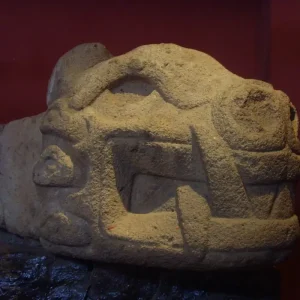
pieza de ceramica chavin

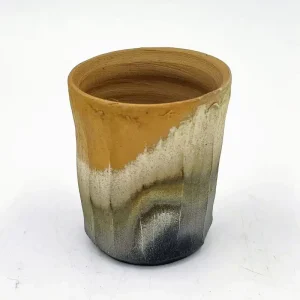
Tokoname ceramic art

Tokoname pottery, with its distinctive reddish color and unique textures, stands as a symbol of Japanese ceramic art. This millenary tradition, rooted in Aichi Prefecture, reflects the fusion between functionality and aesthetics, standing out for its relevance in Japanese tea

ceramica tokoname

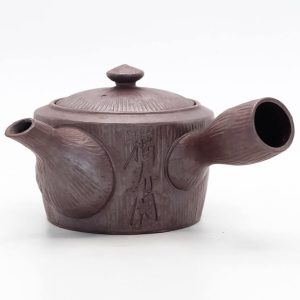
Tamba Ceramics: Centenary Japanese Art

Tamba Pottery, also known as Tamba-Tachikui, is an artistic expression that encapsulates the rich culture and deep history of Japan. Located in Hyōgo Prefecture, this art form is distinguished by its simplicity, unique colors and textures that speak of direct

ceramica tamba

Exclusive Japanese ceramics Yokkaichi Banko

What is Banko-yaki ceramics Yokkaichi Banko pottery, also known as Banko-yaki, originated in the city of Yokkaichi, Mie Prefecture, Japan. It dates back some 300 years, specifically between 1736 and 1740, when it was started by Rozan Nunami, a merchant

Yokkaichi Banko yaki

The yukaku glaze of Japan’s ceramics

Meet the unknown Yukaku glaze The “yuyaku” glaze is a well-kept secret because of the beauty it achieves in the final finish of the ceramic pieces. In Japanese pottery, it is known for its ability to create a glossy, multicolored

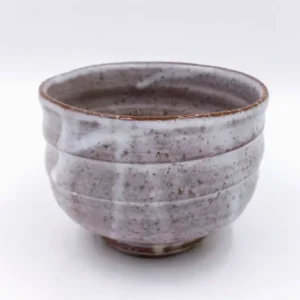
Hagi Yaki
Scroll to Top